
Digital Marketing for Fishing Charters & Guides
Competing (and Winning) Online in 2026
Fishing has always been competitive.
TBut in 2026, the biggest pressure on most charter businesses isn’t at the dock — it’s online.
Customers are searching, comparing, reading reviews, and making decisions long before they ever step foot in a marina. Younger, more digitally savvy captains understand this shift, and it’s changing how trips get booked in nearly every market.
This guide focuses specifically on digital marketing for fishing businesses — what it takes to compete online today, how online competition really works, and how to build a stable mix of bookings without relying on any single channel.
The Shift: From Dock Presence to Digital Presence
For a long time, prime slips, marina traffic, and local reputation carried real weight. Those things still matter — but they’re no longer enough on their own.
More than ever:
- Customers research online before they arrive
- Google is often the first stop
- Booking platforms dominate search results
- Reviews influence decisions before conversations happen
Even referrals don’t bypass the internet anymore.
Most referred customers still Google your name, check reviews, and compare options.
If your digital presence doesn’t hold up, that referral often stops there.
Online Competition Is the New Battleground
In most markets, you’re no longer competing with just a handful of local boats.
You’re competing with:
- Every captain in your area
- Large booking platforms
- Operators running ads year-round
- Businesses that understand digital systems
Digital marketing doesn’t reward seniority.
It rewards visibility, clarity, trust, and speed.
The captains who win online aren’t always the most experienced — they’re the ones who make it easiest for customers to find them, trust them, and book.

Visibility: Showing Up Where Decisions Are Made
If customers can’t find you online, they can’t book you.
Digital visibility today comes from a combination of:
- Google search and map results
- Reviews and ratings
- Website clarity
- Paid exposure in competitive markets
Local SEO matters, but not in isolation. Google favors businesses that look:
- Active
- Relevant
- Legitimate
- Responsive
In 2026, search results — including AI-powered summaries — increasingly reward businesses that send clear, consistent signals about who they are and what they offer.
Trust Customers Is Built Digitally First
Before a customer ever contacts you, they’re already forming an opinion.
They’re asking:
- Is this captain legit?
- Do other people trust them?
- Does this feel professional and current?
Trust is built online through:
- Recent, consistent reviews
- Real photos and updates
- Clear explanations of trips and expectations
- Professional, timely communication
Captains who ignore this part of the process force customers to “take a leap.” Most won’t.

The Role of OTAs in a Modern Digital Strategy
Online Travel Agencies (OTAs) are a meaningful part of the charter landscape in 2026. For many operators, they provide consistency, exposure, and a dependable baseline of bookings — especially in competitive or seasonal markets.
Used thoughtfully, OTAs can make a charter business more stable, not less.
The key is understanding where they fit in the bigger picture.
OTAs as One Channel, Not the Business Model
Strong charter businesses don’t treat OTAs as something to avoid — or something to depend on entirely.
They treat them as one channel among several.
That often means:
- Allowing a percentage of trips to come from OTAs
- Using them to smooth out demand
- Letting them introduce new customers to the operation
At the same time, these operators design their business so:
- Pricing decisions aren’t dictated by OTAs
- Growth isn’t limited by commission structures
- Long-term value comes from repeat and direct bookings
This balance creates resilience.
How Experienced Captains Use OTAs Well
Captains who get the most value from OTAs tend to follow a few consistent practices:
- Manage availability intentionally, rather than giving the entire calendar away
- Deliver a strong first experience, treating OTA bookings as relationship starters
- Stay in touch after the trip, so future bookings can move direct over time
- Use OTA performance as feedback, not as a rulebook
OTAs can provide insight into pricing, demand, and trip preferences — information that strengthens direct marketing when used correctly.
Why Direct Bookings Still Matter
OWhile OTAs add stability, direct bookings provide:
- Higher margins
- More flexibility
- Stronger customer relationships
- Greater long-term control
Digital marketing exists to support steady growth in direct bookings, without eliminating OTA bookings altogether.
The goal isn’t to replace OTAs.
It’s to avoid relying on any single channel to keep the calendar full.

Speed Wins Online
One of the biggest advantages digitally focused captains have is response speed.
Online customers expect:
- Quick answers
- Text-friendly communication
- Clear next steps
If an inquiry comes in while you’re on the water and it sits unanswered, there’s a good chance that customer books elsewhere. Speed has become a competitive advantage — and technology plays a growing role in supporting it.
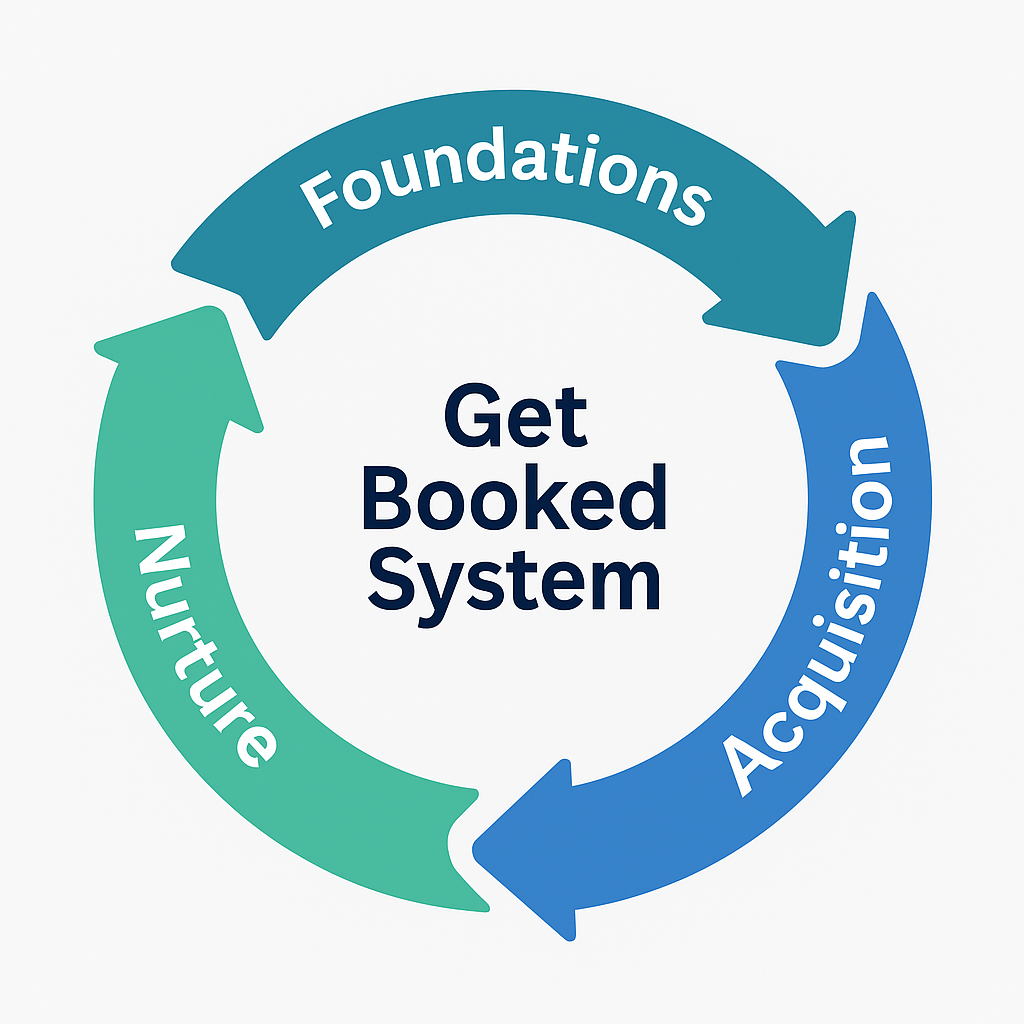
Digital Systems Beat Digital Effort
TPosting more content doesn’t automatically lead to more bookings.
What works is having systems that:
- Capture every inquiry
- Respond quickly and consistently
- Organize leads and conversations
- Follow up when someone doesn’t book right away
Captains who rely on memory or inboxes struggle online. Captains who build simple digital systems stay competitive without living on their phone.
This framework is what everything in this guide is built on — from SEO and ads to reviews, technology, and follow-up.
Bringing It All Together
Digital marketing for fishing charters isn’t about trends or tricks.
It’s about recognizing that:
- Competition has moved online
- Customers decide faster
- Trust is formed before contact
- Stability comes from balance
The captains doing well in 2026 aren’t doing anything flashy — they’ve built digital systems that work consistently, alongside a healthy mix of OTA and direct bookings.
That approach makes their businesses more predictable, more resilient, and far easier to grow in an increasingly competitive online world.
Ready to Grow?
We Can Make It Happen
Ready to Grow?
We Can Make It Happen

